
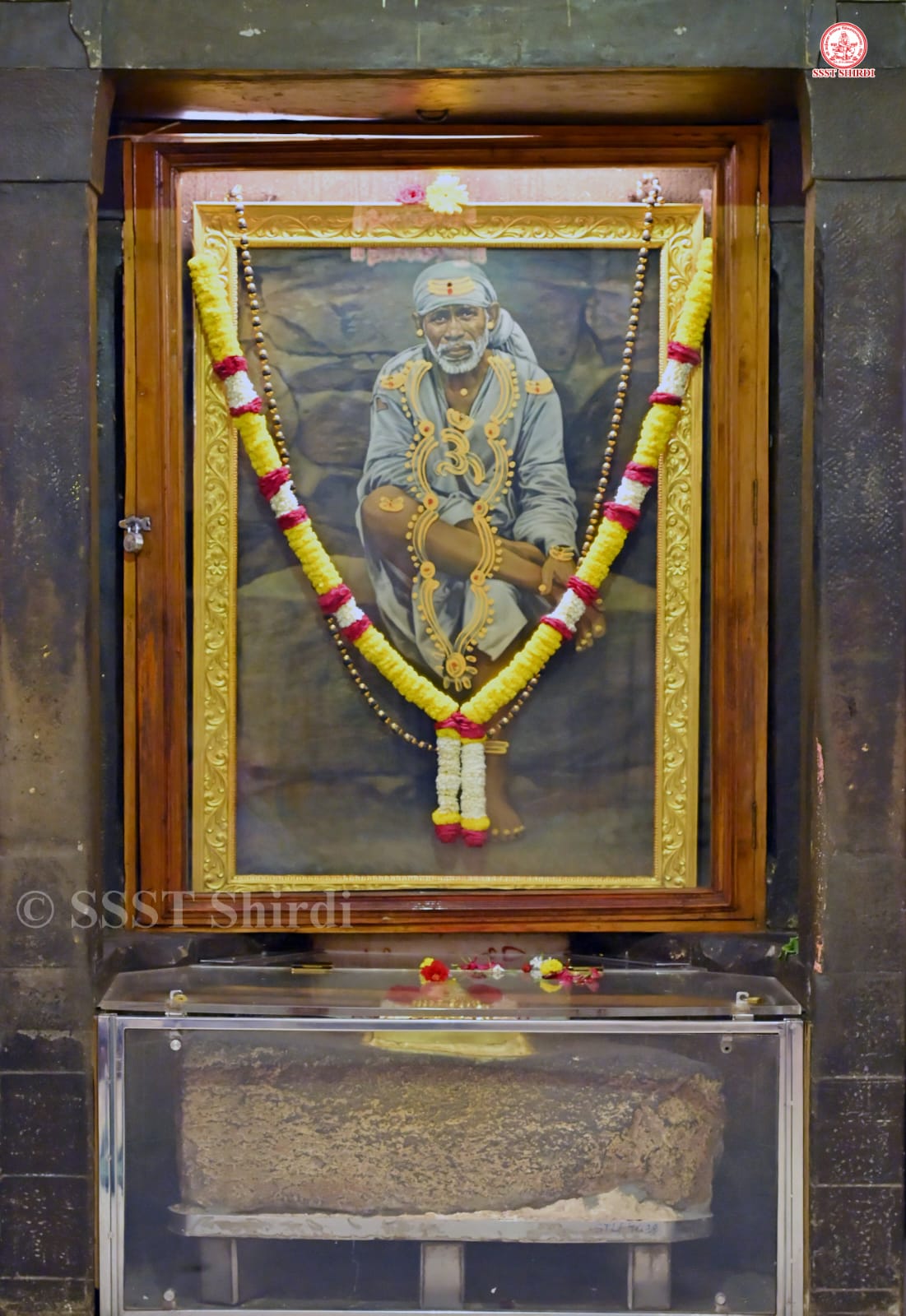
Sai Satcharita early chapters reveal timeless lessons on humility, service, and faith, guiding devotees to live with love, patience, and devotion every day.
Compassion for All: The First Lesson
The opening stories describe Sai Baba’s gentle concern for every living being, from a thirsty dog to a grieving widow. He never distinguished between the rich and the poor, showing that true compassion knows no boundaries. Devotees learn that a simple act of kindness, offered without expectation, becomes a powerful prayer. By emulating this attitude, we turn ordinary moments into opportunities for divine service.
Practically, this means looking beyond our daily worries to notice a neighbor’s need, a stray animal, or a colleague’s distress. A smile, a shared meal, or a word of encouragement can echo the compassion taught in those early chapters. When we act with an open heart, we align ourselves with the same love that Baba radiated.
Simple Faith in Everyday Life
Sai Baba’s early miracles often stemmed not from grand rituals but from pure, uncomplicated faith. Whether it was feeding a hungry child or calming a storm, the underlying belief was that the Divine resides in the humble heart. This teaches us that faith need not be elaborate; it merely requires sincerity.
In modern life, we can nurture this simple faith by chanting “Om Sai Namo Namah” with devotion, or by trusting that Baba’s presence guides us through challenges. Even a brief pause for gratitude each morning mirrors the unwavering trust displayed in the Satcharita.
Selfless Service (Seva) as a Spiritual Practice
The early chapters repeatedly highlight Baba’s emphasis on selfless service. He would clean the temple, serve food, and mend clothes without ever seeking recognition. This humility in work teaches that every task, however modest, can become an offering when performed with love.
To bring this into daily routine, devote a few minutes each day to help a family member, volunteer in your community, or simply keep your home tidy as an act of devotion. When service is offered without attachment to results, it transforms ordinary labor into a sacred meditation.
Humility as the Path to Inner Peace
Baba’s life was a living example of humility—he accepted reverence yet lived as a simple mendicant. The early narratives remind us that ego is the greatest obstacle to spiritual growth. By surrendering pride, we open the heart to divine grace.
Practicing humility can start with acknowledging our mistakes, listening more than speaking, and offering thanks for even the smallest blessings. Such small shifts echo the profound humility that the Sai Satcharita celebrates.
- Compassion is a daily practice, not a rare act.
- Faith thrives in simplicity and sincere devotion.
- Selfless service and humility lead to inner peace.
What are the main teachings of Sai Satcharita early chapters?
The early chapters focus on compassion for all beings, simple and unwavering faith, selfless service without expectation, and humility as the foundation of spiritual life. Each story illustrates how these qualities transform ordinary actions into divine worship.
How can I apply Sai Satcharita lessons in daily life?
Start by offering small acts of kindness, chant a short mantra with sincerity, dedicate routine chores as seva, and practice humility by acknowledging your limitations and expressing gratitude. Consistency in these simple steps brings the teachings alive.
Where can I read Sai Satcharita online?
Many devotional websites and official Shirdi Sai Baba portals provide the complete Sai Satcharita in Hindi, English, and regional languages. Look for reputable sources that respect copyright and present the text accurately.
May the grace of Shirdi Sai Baba illuminate your heart. Om Sai Ram
Recommended for you
Sai Satcharita Book
Amazon IndiaAmazon UKAmazon USAs an Amazon Associate I earn from qualifying purchases. Prices and availability may vary.
This is an independent devotional blog and is not affiliated with any temple or trust.
© 2026 Original content written for this blog. Please do not copy or republish it without permission.