Sai Baba Forgiveness: Simple Steps to Practice Daily Healing

Shirdi Sai Baba

Sai Baba forgiveness teaching guides devotees to let go of grudges, nurture compassion, and find inner peace by embracing daily forgiveness practices.

Understanding Forgiveness in Sai Baba’s Wisdom

Sai Baba often reminded us that holding onto anger harms the soul. He taught that true strength lies in forgiving others and ourselves.

Forgiveness is not about forgetting the hurt, but releasing its grip so love can flow freely.

Simple Daily Practices to Cultivate Forgiveness

Begin each morning with a short prayer, asking Sai Baba to soften your heart and help you let go of yesterday’s grievances.

When a painful thought arises, pause, inhale, and silently repeat the mantra “Om Sai Ram,” visualising the tension melting away.

Using Sai Baba’s Teachings to Heal Relationships

If a relationship feels strained, read a passage from the Sai Satcharita that highlights his compassion, then speak a heartfelt apology or gratitude.

Offer a small offering, such as lighting a lamp or incense, as a symbolic gesture of renewed goodwill.

Integrating Forgiveness into Your Spiritual Routine

Include forgiveness in your regular puja by placing a white flower on the altar, representing purity of heart.

End the day with a short reflection, noting any moments you chose compassion over resentment.

Key takeaways
  • Forgiveness frees the heart and aligns you with Sai Baba’s love.
  • Simple daily prayers and mantras nurture a forgiving mindset.
  • Physical symbols like lamps and flowers reinforce inner peace.

How often should I practice forgiveness?

Sai Baba encourages making forgiveness a habit—start each day with intention and revisit whenever resentment surfaces.

Can forgiveness heal physical ailments?

While forgiveness is primarily spiritual, many devotees notice reduced stress and better health when they let go of negativity.

What if I cannot forgive someone?

Seek Sai Baba’s guidance through prayer, and remember that forgiveness is a gradual process—be patient with yourself.

May Sai Baba’s boundless compassion fill your heart with forgiveness and peace. Om Sai Ram.

Recommended for you

Sai Satcharita Book

Amazon IndiaAmazon UKAmazon US

As an Amazon Associate I earn from qualifying purchases. Prices and availability may vary.

This is an independent devotional blog and is not affiliated with any temple or trust.

© 2026 Original content written for this blog. Please do not copy or republish it without permission.
What is Udi in Sai Baba Worship: Meaning, Use & Benefits

Shirdi Sai Baba

What is udi in Sai Baba worship? Udi is the sacred ash used in daily puja, symbolising purity and devotion, and it is gently applied during prayers.

Understanding Udi: Origin and Spiritual Significance

Devotees trace the practice of using udi to ancient Hindu rituals where ash represents the transient nature of the material world. In Shirdi, Sai Baba encouraged simplicity, and udi became a humble reminder of surrender to the Divine.

The ash is believed to cleanse the aura, removing negative vibrations and fostering a calm mind ready for bhakti.

How Udi Is Prepared for Sai Baba Puja

Traditionally, udi is made from the burnt remnants of cow dung cakes, wood, or sandalwood sticks. The ash is filtered, sieved, and stored in a clean, dry container.

Many devotees also use the ash left after lighting incense sticks (agarbatti) during their home aarti, keeping the preparation simple and eco‑friendly.

When and How to Apply Udi During Daily Worship

During the morning and evening prayers, a pinch of udi is gently dabbed on the forehead, behind the ears, or on the palms before offering flowers and prasad.

Some devotees sprinkle a thin line of udi on the Sai Baba idol or on the aarti plate, symbolising humility before the saint.

Benefits Reported by Devotees Who Use Udi

Regular use of udi is said to bring mental clarity, steadier concentration during meditation, and a subtle feeling of inner peace.

Many share that the ash helps them let go of ego‑driven thoughts, making space for sincere seva and love for Sai Baba.

Key takeaways
  • Udi is sacred ash symbolising purity and impermanence.
  • It is prepared from burnt wood, cow dung or incense residue.
  • Applying udi during puja fosters calmness and devotion.

What material is traditionally used to make udi?

Devotees traditionally use ash from burnt cow‑dung cakes, sandalwood sticks, or the residue of incense sticks.

Can I use commercial incense ash as udi?

Yes, many use the ash left after lighting agarbatti, provided it is pure, unscented and kept in a clean container.

Is there a specific time to apply udi?

It is customary to apply udi during the two main pujas – morning and evening – or whenever you feel the need for spiritual grounding.

May Sai Baba’s boundless grace illuminate your heart. Om Sai Ram.

Recommended for you

Agarbatti Incense

Amazon IndiaAmazon UKAmazon US

As an Amazon Associate I earn from qualifying purchases. Prices and availability may vary.

This is an independent devotional blog and is not affiliated with any temple or trust.

© 2026 Original content written for this blog. Please do not copy or republish it without permission.
Shej Aarti (Night Aarti) for Sai Baba: Steps, Meaning & Devotion

Shirdi Sai Baba

Shej Aarti (Night Aarti) for Sai Baba is a gentle evening ritual that helps devotees end the day with love, gratitude, and inner peace.

Why Shej Aarti Matters in Sai Baba Worship

Nighttime is considered a calm period when the mind is more receptive to devotion. Performing Shej Aarti honors Sai Baba’s compassionate presence and invites his blessings for a restful night.

Traditionally, devotees believe that the evening aarti clears the day's tensions and creates a protective aura around the home.

Essential Items for a Simple Shej Aarti

A clean altar or a small table, a brass or copper aarti plate, a diya filled with ghee or oil, cotton wicks, incense sticks, camphor, and a small bell are the basic samagri.

Having a printed copy of the Sai Baba Shej Aarti or the Aarti Book helps keep the verses clear, especially for beginners.

Step‑by‑Step Guide to Performing Shej Aarti

1. Begin by washing hands and feet, then sit facing east or north. Light the diya and incense, and place a small amount of camphor on a separate plate.

2. Offer a few fresh flowers or a garland, and sprinkle a little water or tulsi leaves around the idol.

3. Recite the opening prayer: “Om Sai Namo Namah,” followed by the Shej Aarti verses, ringing the bell after each stanza.

4. Light the camphor, wave it gently in front of the idol, and chant “Om Sai Ram” three times, visualising Sai Baba’s protective light surrounding the household.

5. Conclude with a silent personal prayer, offering gratitude for the day’s experiences and asking for guidance tomorrow.

Practical Tips for a Meaningful Night Aarti

Keep the aarti area tidy; a clutter‑free space reflects a calm mind. Use a soft lamp or LED diya if you prefer a smoke‑free environment.

If you cannot perform the aarti at the exact time, recite the verses silently or play a recorded version, maintaining the devotional intention.

Invite family members, especially children, to join. Explaining the meaning of each line nurtures devotion across generations.

Key takeaways
  • Shej Aarti is a calming night ritual for Sai Baba devotees.
  • Basic samagri includes a diya, incense, camphor, bell, and aarti plate.
  • Follow a simple step‑by‑step sequence to invite peace and protection.

How long should a Shej Aarti be performed?

Typically 5‑10 minutes, enough to chant the verses, light camphor, and offer a brief personal prayer.

Can I perform Shej Aarti without a physical idol?

Yes, devotees often use a photo frame, a small brass idol, or even a clean space with a candle, focusing the mind on Sai Baba’s presence.

What is the best time to start the night aarti?

After sunset, preferably before bedtime, when the household is quiet and the mind is ready for reflection.

May Sai Baba’s love fill your night with serenity and guide you to a blissful dawn. Om Sai Ram.

Recommended for you

Aarti Book

Amazon IndiaAmazon UKAmazon US

As an Amazon Associate I earn from qualifying purchases. Prices and availability may vary.

This is an independent devotional blog and is not affiliated with any temple or trust.

© 2026 Original content written for this blog. Please do not copy or republish it without permission.
Practising Devotion Abroad: Sai Baba Faith for Indians Overseas

Shirdi Sai Baba

Practising devotion abroad helps Sai Baba followers maintain spiritual connection while living far from India, using simple rituals and community support.

Create a Personal Sacred Space Anywhere

Even a small corner with a Sai Baba photo frame can become a shrine. Light a diya, place a small idol or picture, and keep a mantra book nearby.

Using a compact wooden home temple mandir or a simple cloth makes the space portable for renters and students.

Daily Practices that Travel Light

Recite Sai Baba's simple bhajans or the Sai Satcharita for ten minutes each morning. A phone app or audio speaker can play the chants.

Offer incense (agarbatti) or a small amount of camphor on a brass diya; the scent reminds the heart of home.

Connect with Local and Online Communities

Join a Sai Baba group on social media or attend a nearby Indian cultural center’s puja. Virtual darshan streams allow participation in festivals.

Sharing experiences with fellow devotees abroad strengthens resolve and creates a sense of belonging.

Celebrate Festivals with Adapted Traditions

During Sai Baba’s birth anniversary, organize a simple aarti at home, using a brass aarti plate and a small offering of fruits.

Send greetings and virtual prayers to family back home; the collective energy bridges distances.

Key takeaways
  • Set up a portable shrine with a photo frame or small idol.
  • Maintain daily chants, incense, and a simple diya.
  • Engage with online and local Sai Baba communities.

How can I keep a Sai Baba shrine in a small apartment?

Use a compact wooden mandir or a cloth-covered shelf; a Sai Baba photo frame, a tiny diya, and a small incense holder fit comfortably.

What online resources help devotees abroad?

Official Sai Baba websites, YouTube live darshan, and community Facebook groups provide prayers, bhajans, and festival updates.

Can I celebrate Sai Baba festivals without traveling to India?

Yes, organize a home aarti, share virtual invitations, and send offerings to temples in India; the devotion remains sincere wherever you are.

May Sai Baba’s blessings guide you wherever you dwell. Om Sai Ram.

Recommended for you

Sai Baba Photo Frame

Amazon IndiaAmazon UKAmazon US

As an Amazon Associate I earn from qualifying purchases. Prices and availability may vary.

This is an independent devotional blog and is not affiliated with any temple or trust.

© 2026 Original content written for this blog. Please do not copy or republish it without permission.
Gratitude Every Day: Sai Baba’s Simple Path to Daily Blessings

Shirdi Sai Baba

Gratitude every day is a gentle reminder of Sai Baba's love, guiding devotees to see blessings in ordinary moments and deepen their faith.

Begin Each Morning with a Thankful Heart

Wake up and silently offer a short prayer of thanks for the breath of life. Even a simple "Thank you, Sai Baba" awakens a sense of abundance.

This practice aligns the mind with positivity, making the day’s challenges feel lighter.

Use Everyday Activities as Offerings

While preparing tea, cooking, or cleaning, recall that these tasks are gifts from the Divine. Acknowledge the food, water, and tools as blessings.

Turning routine chores into moments of gratitude turns the mundane into worship.

Share Gratitude Through Service

Sai Baba taught that serving others is the highest expression of thankfulness. Offer a smile, a helping hand, or a kind word.

When we give, we receive the deeper joy of feeling Baba’s presence in every heart.

Reflect on the Day’s Blessings at Night

Before sleeping, revisit the day’s moments of grace. Write a short note or simply whisper gratitude for each one.

This nightly ritual reinforces a grateful mindset and prepares the soul for tomorrow’s blessings.

Key takeaways
  • Start the day with a silent thank‑you to Sai Baba.
  • Transform daily chores into offerings of gratitude.
  • Express thankfulness through selfless service.
  • End the day by recalling each blessing.

How can I practice gratitude without extra time?

Incorporate brief thank‑you thoughts into existing routines—while brushing teeth, walking, or waiting for a bus.

What if I feel ungrateful on a tough day?

Acknowledge the feeling, then gently shift focus to even a tiny comfort—a warm cup, a friendly voice—and thank Sai Baba for that.

Does gratitude replace formal prayer?

No, gratitude complements prayer. It deepens the connection, making every prayer more heartfelt and sincere.

May Sai Baba’s boundless grace fill your heart with endless gratitude. Om Sai Ram

Recommended for you

Sai Satcharita Book

Amazon IndiaAmazon UKAmazon US

As an Amazon Associate I earn from qualifying purchases. Prices and availability may vary.

This is an independent devotional blog and is not affiliated with any temple or trust.

© 2026 Original content written for this blog. Please do not copy or republish it without permission.
Gudi Padwa: Sai Baba Devotees Celebrate New Beginnings

Shirdi Sai Baba

Gudi Padwa is a joyous Hindu New Year festival that many Sai Baba devotees welcome with prayers, fresh foods and heartfelt gratitude for Sai Baba's blessings.

Understanding Gudi Padwa and Its Spiritual Significance

Gudi Padwa marks the first day of the Chaitra month and the start of a new lunar year. Devotees see it as a reminder that every day is a fresh opportunity to deepen their relationship with Sai Baba.

Traditional stories speak of the triumph of good over darkness; similarly, Sai Baba’s teachings encourage us to let go of past burdens and step forward with faith.

Preparing a Simple Sai Baba Gudi Padwa Puja

Begin by cleaning the altar and arranging a fresh Gudi (decorated bamboo pole) beside Sai Baba’s photo or idol. Light a diya, offer fresh fruits, sweets like puran poli, and a few petals of marigold.

Recite Sai Baba’s simple mantra ‘Om Sai Namo Namah’ and express gratitude for the blessings received in the past year, asking for guidance in the coming one.

Incorporating Sai Baba Teachings Into Gudi Padwa Festivities

Share Sai Baba’s messages of love, service, and humility with family members. Simple acts like serving a neighbor or donating food echo his practice of ‘seva’ during the celebration.

Reading a short passage from the Sai Satcharita after the puja can reinforce the spirit of compassion that Gudi Padwa inspires.

Practical Tips for a Meaningful Gudi Padwa at Home

Choose natural, eco‑friendly decorations – fresh mango leaves, rangoli made with rice powder, and a modest Gudi made from bamboo and cloth.

Invite friends and neighbours for a modest ‘prasadam’ sharing; a plate of sweet rice or jaggery‑laden halwa reflects the sweetness of Sai Baba’s grace.

Key takeaways
  • Gudi Padwa is a fresh start, ideal for deepening Sai Baba devotion.
  • Simple puja with Sai Baba’s photo, Gudi, fruits and mantra brings blessings.
  • Acts of service and sharing embody Sai Baba’s teachings during the festival.

How can I combine Gudi Padwa decorations with a Sai Baba altar?

Place the Gudi beside Sai Baba’s photo, use mango leaves and marigold garlands on the altar, and keep the space tidy and reverent.

What simple mantra should I chant during Gudi Padwa?

‘Om Sai Namo Namah’ is short, heartfelt, and aligns well with the festival’s theme of new beginnings.

Is it necessary to perform a full puja on Gudi Padwa?

A modest puja with fresh fruits, a diya, and a short reading from Sai Satcharita is sufficient; the intention matters more than elaborate rituals.

May Sai Baba’s boundless love illuminate your new year. Om Sai Ram.

Recommended for you

Sai Baba Brass Idol

Amazon IndiaAmazon UKAmazon US

As an Amazon Associate I earn from qualifying purchases. Prices and availability may vary.

This is an independent devotional blog and is not affiliated with any temple or trust.

© 2026 Original content written for this blog. Please do not copy or republish it without permission.
Sai Satcharita Guru‑Disciple Lessons: Guidance for Devotees, Timeless Wisdom

Shirdi Sai Baba

Sai Satcharita Guru‑Disciple Lessons reveal how the saint‑guru relationship shapes a disciple’s heart, offering practical steps for devotion, humility and service.

Understanding the Guru‑Disciple Bond in Sai Satcharita

The Sai Satcharita narrates many instances where Sai Baba, as the divine guru, gently guides his devotees. These stories illustrate that the bond is rooted in love, not authority, and that the guru’s role is to awaken the inner light.

Devotees are encouraged to see the guru as a mirror reflecting their own potential. When the disciple approaches the guru with sincerity, the teachings become a living experience rather than mere words.

Key Teachings on Obedience and Faith

One of the most quoted teachings is the importance of "shraddha" – unwavering faith. Sai Baba often reminded his followers that true obedience stems from inner conviction, not blind ritual.

The Satcharita also stresses humility as the foundation of discipleship. By accepting the guru’s correction with a humble heart, the disciple clears the path for spiritual progress.

Practical Ways to Apply Guru Lessons Today

Begin each day with a short prayer of gratitude to Sai Baba, asking for the strength to follow his guidance. This simple habit aligns the mind with the guru’s intention.

Maintain a notebook of the guru’s sayings that resonate with you. Reflect on them during moments of doubt, allowing the words to become a source of inner steadiness.

Serve others without expectation, as Sai Baba taught that selfless service is the highest expression of discipleship. Small acts of kindness become a living tribute to the guru.

Transforming the Heart: From Knowledge to Service

The ultimate aim of the guru‑disciple relationship is the transformation of the heart. Knowledge alone is insufficient; it must blossom into compassionate action.

When a disciple internalizes Sai Baba’s teachings, the desire to help fellow beings arises naturally. This shift from intellectual understanding to heartfelt service is the hallmark of true discipleship.

Key takeaways
  • The guru‑disciple bond in Sai Satcharita is based on love and inner awakening.
  • Faith (shraddha) and humility are essential for genuine obedience.
  • Daily gratitude, reflection, and selfless service turn teachings into lived experience.

What does Sai Satcharita say about the role of a guru?

It describes the guru as a compassionate guide who awakens the disciple’s innate divinity, urging love, humility and sincere practice.

How can a modern devotee practice the guru‑disciple lessons?

By starting each day with a short prayer, keeping a journal of inspiring sayings, and offering selfless service in everyday life.

Why is humility emphasized in the guru‑disciple relationship?

Humility opens the heart to receive correction and guidance without ego, allowing the disciple to grow spiritually and serve others genuinely.

May the grace of Sai Baba illuminate your path. Om Sai Ram

Recommended for you

Sai Satcharita Book

Amazon IndiaAmazon UKAmazon US

As an Amazon Associate I earn from qualifying purchases. Prices and availability may vary.

This is an independent devotional blog and is not affiliated with any temple or trust.

© 2026 Original content written for this blog. Please do not copy or republish it without permission.
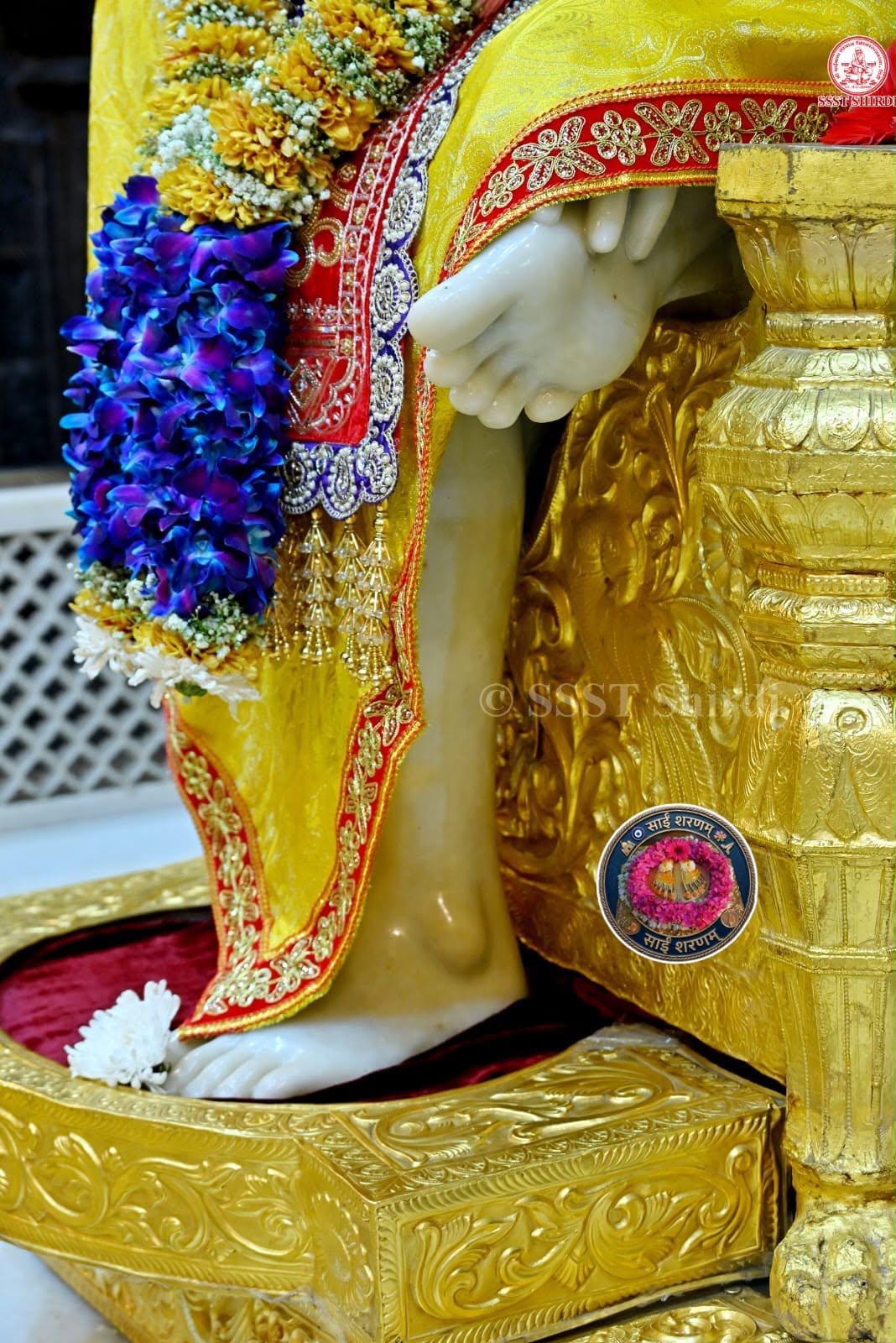
Baba and Nanasaheb Chandorkar: Faith, Service & Blessings

Shirdi Sai Baba

Baba and Nanasaheb Chandorkar’s heartfelt story illustrates how devotion, humility and self‑less service can transform a devotee’s life, inspiring countless followers.

First Encounter: How Nanasaheb Met Baba

Nanasaheb Chandorkar, a humble farmer from Maharashtra, first heard about Sai Baba through fellow villagers who spoke of the saint’s compassion. Drawn by curiosity, he traveled to Shirdi and stood in the crowd where Baba was giving darshan. The simple greeting of “Om Sai Ram” left a deep imprint on his heart.

Seeing Baba’s serene smile, Nanasaheb felt an instant connection, sensing that the saint’s love was not limited by caste or status. From that moment, he resolved to serve Baba in whatever way he could.

The Test of Faith: Nanasaheb’s Unwavering Devotion

Soon after arriving, Baba asked Nanasaheb to fetch water from a distant well for the temple’s aarti. Despite a scorching summer, Nanasaheb carried the heavy pot without complaint, trusting that Baba’s guidance would sustain him.

When the water ran low, Baba appeared and blessed the pot, turning the meager amount into enough for the whole congregation. This miracle reinforced Nanasaheb’s belief that sincere service is always answered.

Service Inspired by Baba: Nanasaheb’s Contributions

Inspired by Baba’s teachings, Nanasaheb began organizing daily cleaning of the shrine and distributing prasad to pilgrims. He also helped construct a small shelter for traveling devotees, using his own savings.

His humility attracted many volunteers, and the shelter soon grew into a modest guest house that continues to serve seekers today. Nanasaheb’s actions embodied the Baba’s counsel: “Serve others and you serve the Divine.”

Enduring Legacy: Lessons for Modern Seekers

The story of Baba and Nanasaheb Chandorkar reminds us that true devotion is expressed through simple, selfless deeds. In a busy world, offering a helping hand mirrors the saint’s universal love.

Devotees today can emulate Nanasaheb by caring for the temple, assisting fellow pilgrims, or simply sharing a smile. Each act, no matter how small, becomes a ripple of Sai’s grace.

Key takeaways
  • Faith coupled with service transforms lives.
  • Small, sincere actions please Baba.
  • Nanasaheb’s legacy lives on in Shirdi’s hospitality.

What is the story of Baba and Nanasaheb Chandorkar?

It is the tale of a devoted farmer who, after meeting Sai Baba, devoted his life to serving the shrine and its visitors, illustrating that devotion shines through humble service.

How did Nanasaheb serve Shirdi Sai Baba?

He fetched water for rituals, organized daily cleaning, distributed prasad, and helped build a shelter for pilgrims, all done with quiet dedication and love.

What lessons can we learn from Nanasaheb’s devotion?

His life teaches that sincere service, humility, and trust in Baba’s blessings are the true marks of a devotee, guiding us to serve humanity as an offering to the Divine.

May Baba’s boundless compassion fill your heart with peace and purpose. Om Sai Ram

Recommended for you

Sai Satcharita Book

Amazon IndiaAmazon UKAmazon US

As an Amazon Associate I earn from qualifying purchases. Prices and availability may vary.

This is an independent devotional blog and is not affiliated with any temple or trust.

© 2026 Original content written for this blog. Please do not copy or republish it without permission.
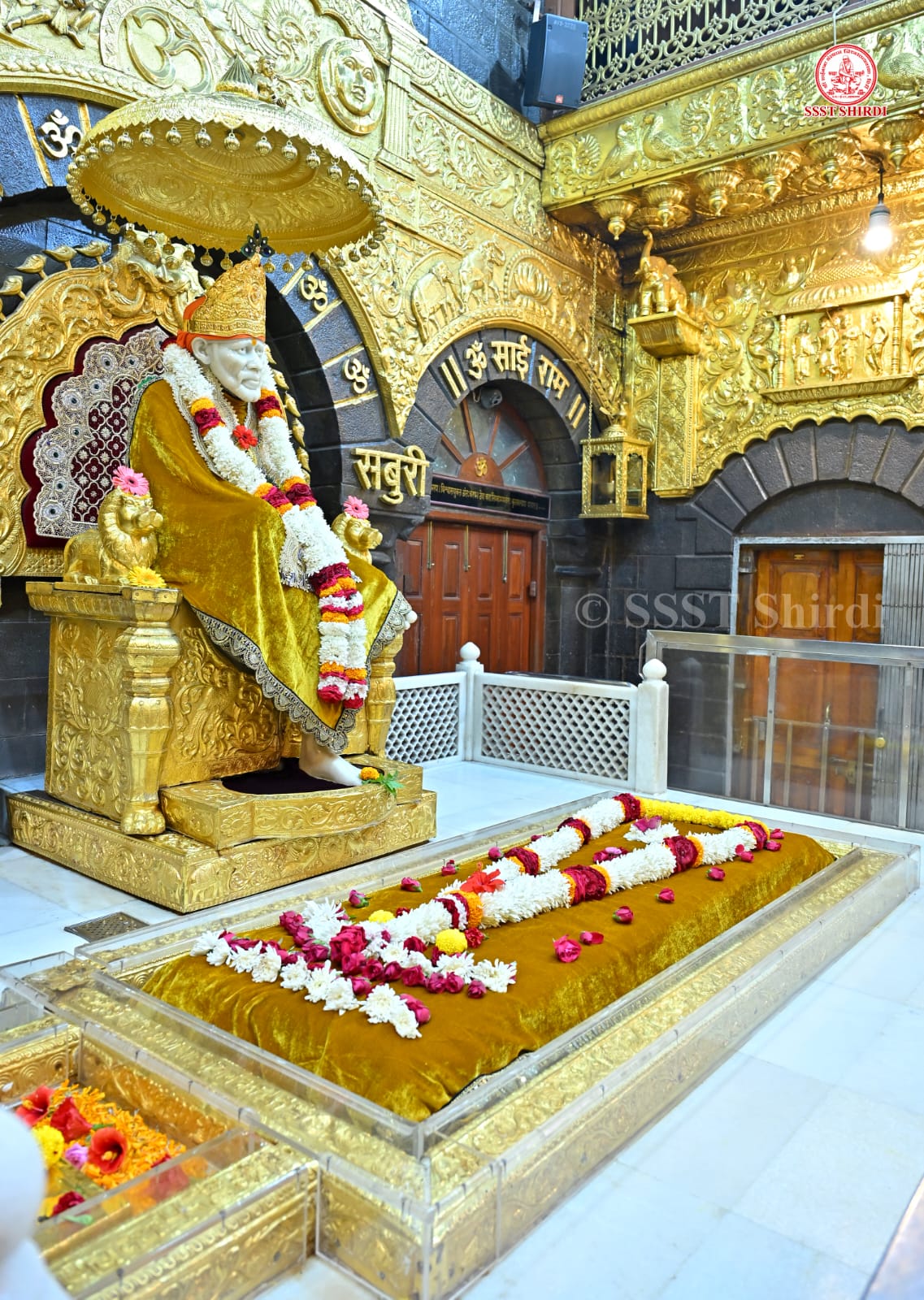
Lighting a Diya for Sai Baba Daily Worship: Simple Steps

Shirdi Sai Baba

Lighting a diya each morning invites Sai Baba’s blessings, purifies the home, and sets a calm tone for daily worship, reminding us of his ever‑present love.

Why Light a Diya in Sai Baba Worship

Lighting a diya is a simple yet powerful act that symbolizes the presence of divine light in our lives. Devotees believe the gentle flame reminds us of Sai Baba’s compassion and helps calm the mind before prayer. The soft glow also creates a sacred atmosphere that invites inner reflection.

In traditional Shirdi practice, the diya is placed near the Sai Baba photo or idol, forming a visual connection between the devotee and the saint. This practice has been passed down through generations, reinforcing the feeling that the Master’s love is ever‑present, like a lamp that never goes out.

Preparing the Diya: Materials and Steps

Choose a clean brass diya or a clay diya set, as these materials are considered pure. Fill the vessel with a small amount of ghee, sesame oil, or clarified butter—whichever feels most devotional to you. Insert a cotton wick, ensuring it stands upright and the tip is trimmed to about one centimeter.

Before lighting, wipe the outside of the diya with a soft cloth to remove dust. Some devotees like to sprinkle a pinch of sandalwood powder on the wick for a fragrant offering. Keep a matchbox or a small steel lighter nearby for convenience.

A Simple Diya Ritual for Daily Devotion

Begin by arranging a clean mat or a small pooja thali in front of the Sai Baba photo. Light the wick gently, allowing the flame to grow steady before moving on. As the flame steadies, chant the simple mantra “Om Sai Ram” three times, feeling the vibration in your chest.

Offer a fresh flower or a small piece of fruit on the thali, then bow your head in gratitude. Spend a few quiet breaths, visualising Sai Baba’s benevolent smile. Conclude the ritual by extinguishing the flame with a gentle breath, symbolising the release of worldly worries.

Maintaining the Diya and Keeping the Flame Pure

After each use, wipe the inside of the diya with a cotton rag to remove any residue. Refill with fresh ghee or oil before the next day's worship to maintain purity. Replace the wick every few days, especially if it becomes frayed or discoloured.

Store the diya in a dry, clean place away from direct sunlight to preserve its shine. If you prefer an LED diya for safety, ensure it mimics the warm amber glow of a real flame, as the visual effect is what matters most in devotion.

Key takeaways
  • Light a diya daily to invite Sai Baba’s blessings and create a peaceful atmosphere.
  • Use pure ghee or oil and a fresh cotton wick for a clean flame.
  • Keep the diya and surrounding space tidy, and replace the wick regularly.

What time is best to light a diya for Sai Baba?

Early morning, just after sunrise, is traditionally preferred because it aligns with the start of a new day and the natural light of the sun. Many devotees also light a diya before the evening aarti, creating a seamless transition from daylight to lamp light.

Can I use an LED diya for daily worship?

Yes, an LED diya can be used, especially where open flames pose a safety risk. Choose a model that emits a warm amber glow, as the visual symbolism of light remains the same.

How long should the diya flame stay lit?

A steady flame for three to five minutes is sufficient for most daily pujas. The key is to keep the flame calm and uninterrupted while you chant or meditate.

May Sai Baba’s light guide your heart today. Om Sai Ram

Recommended for you

Brass Diya

Amazon IndiaAmazon UKAmazon US

As an Amazon Associate I earn from qualifying purchases. Prices and availability may vary.

This is an independent devotional blog and is not affiliated with any temple or trust.

© 2026 Original content written for this blog. Please do not copy or republish it without permission.
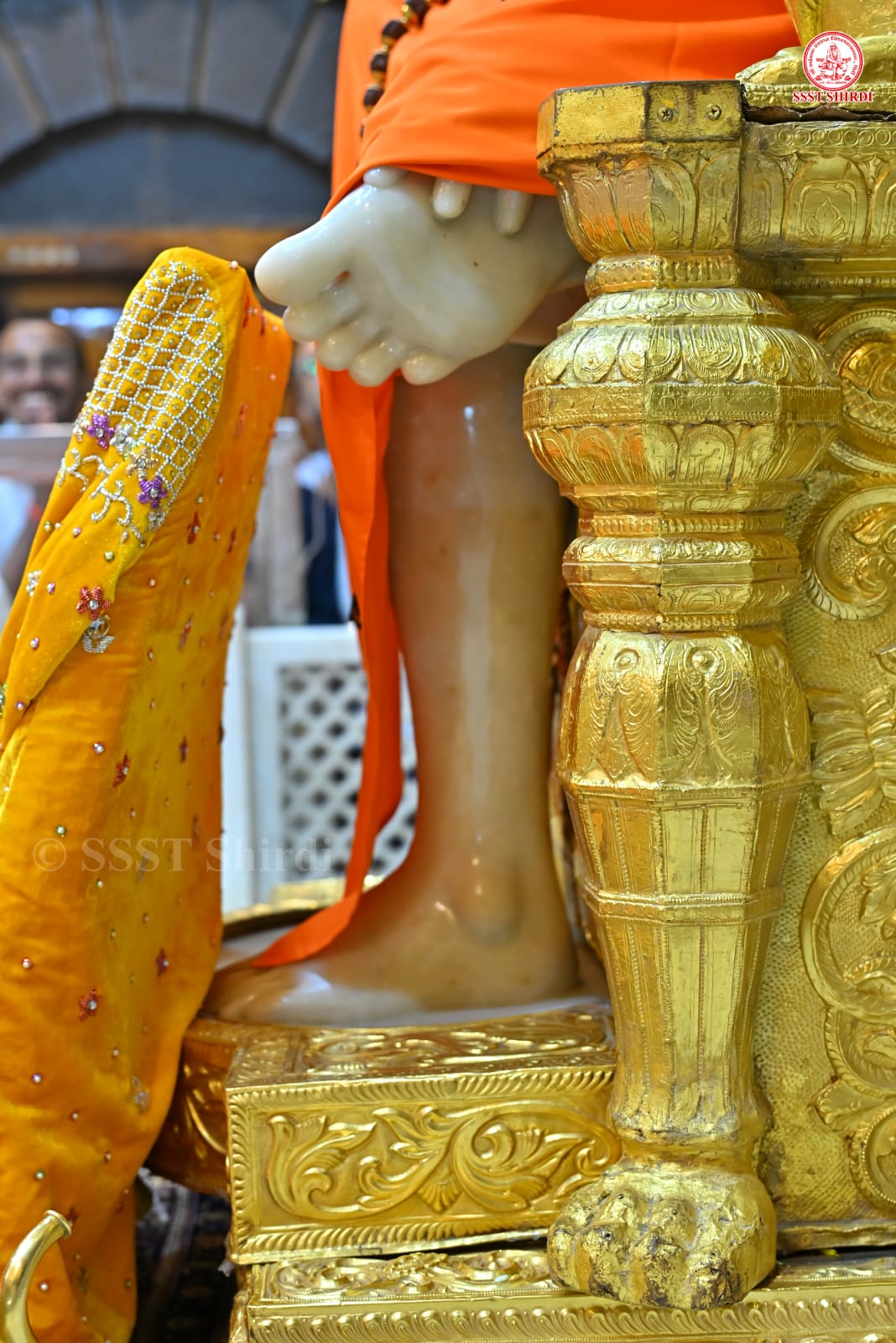
Khandoba Mandir in Shirdi: History, Significance & Visiting Tips

Shirdi Sai Baba

Khandoba Mandir in Shirdi offers devotees a peaceful glimpse of regional devotion, featuring a simple shrine, daily bhajans, and the harmonious blend of Sai Baba’s loving presence for seekers.

Historical Roots of Khandoba Mandir

The Khandoba shrine traces its origins to the 19th‑century devotion of local farmers who revered the warrior‑god Khandoba as a protector of harvests. Over time, the temple found its place near the main Sai Baba complex, reflecting the inclusive spirit that Sai Baba encouraged among all faiths.

Devotees recount that Sai Baba himself visited the site during his early days in Shirdi, blessing the land and inspiring the community to maintain the shrine alongside his own worship area.

Architecture and Sacred Space

Built with modest stone walls and a thatched roof, the mandir embodies the rustic charm of rural Maharashtra. A small brass bell hangs at the entrance, inviting visitors to announce their presence with reverence.

Inside, a simple marble pedestal holds the idol of Khandoba, adorned with turmeric, vermilion and fresh flowers, creating a calm atmosphere that complements the nearby Sai Baba shrine.

Daily Worship and Devotional Practices

Morning aarti begins at 6 am, when priests light a lamp, offer incense, and chant traditional bhajans dedicated to Khandoba. Devotees often recite “Om Namah Shivaya” alongside Sai Baba’s “Om Sai Ram” as a sign of unity.

On Tuesdays and Saturdays, the mandir sees a larger gathering; devotees bring coconuts, jaggery and a handful of rice as prasadam, which is later shared with the community.

Practical Visiting Tips for Devotees

Arrive early to experience the tranquil morning aarti, and dress modestly in traditional colors. Carry a small Pooja Thali set if you wish to offer personal prayers, though the temple provides basic samagri.

Photography is allowed outside the sanctum, but maintain silence inside. Nearby facilities include clean restrooms and a modest refreshment stall serving bhakri and tea.

Key takeaways
  • Khandoba Mandir stands as a historic and inclusive shrine near Sai Baba’s main complex.
  • Simple architecture and daily aarti create a soothing devotional environment.
  • Visit early, dress modestly, and you may bring a small Pooja Thali for personal offerings.

What are the best times to visit Khandoba Mandir?

The early morning aarti at 6 am and the evening aarti around 7 pm are the most peaceful; Tuesdays and Saturdays attract larger crowds.

Can non‑Hindus pray at the Khandoba Mandir?

Yes, the shrine welcomes all seekers, reflecting Sai Baba’s message of universal love and acceptance.

Is there a fee for entering the mandir?

Entry is free; donations are optional and help maintain the shrine and its daily services.

May the blessings of Khandoba and Sai Baba fill your heart with peace and devotion. Om Sai Ram

Recommended for you

Pooja Thali Set

Amazon IndiaAmazon UKAmazon US

As an Amazon Associate I earn from qualifying purchases. Prices and availability may vary.

This is an independent devotional blog and is not affiliated with any temple or trust.

© 2026 Original content written for this blog. Please do not copy or republish it without permission.
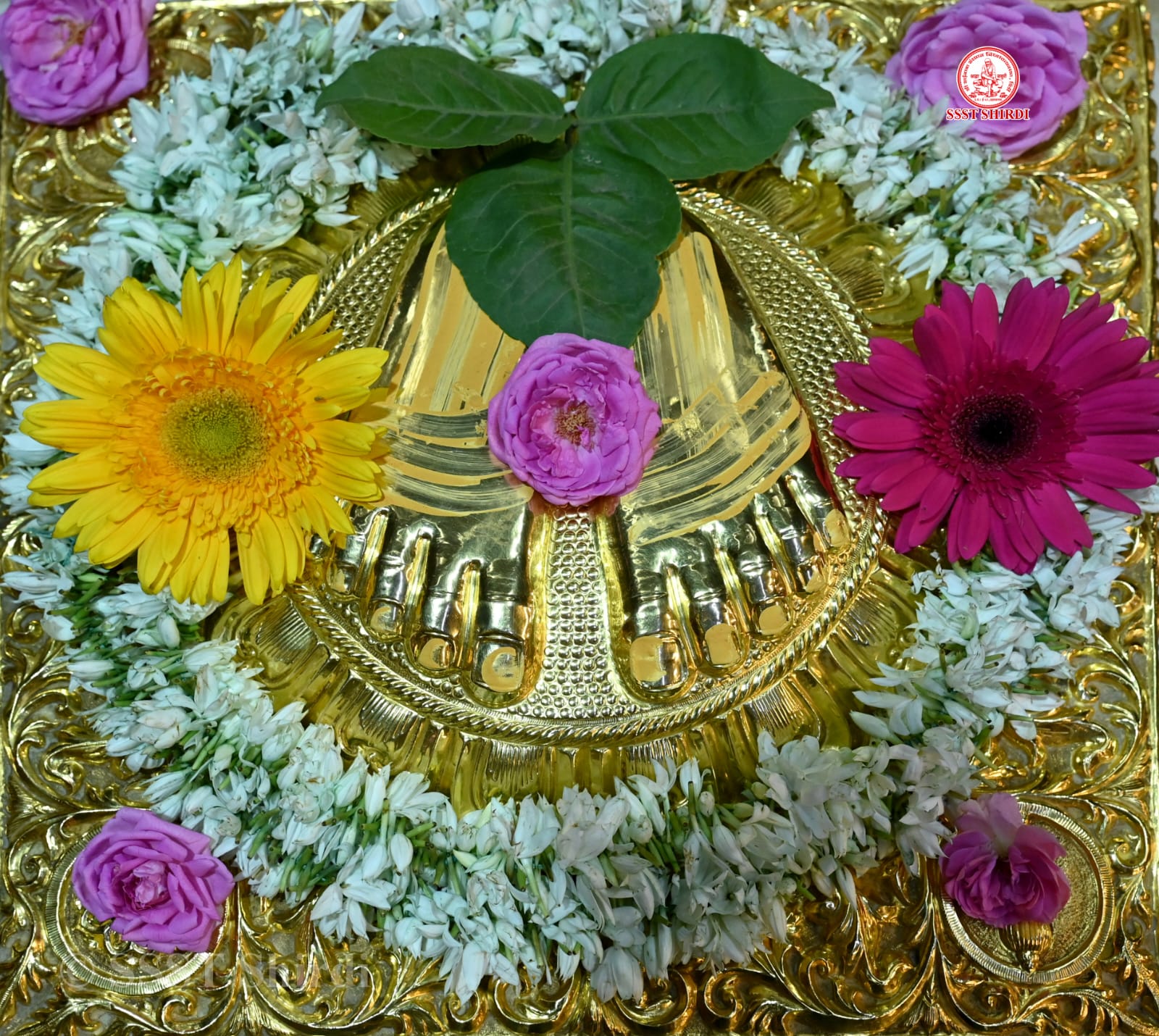
Sai Baba Humility: Letting Go of Ego for Spiritual Growth

Shirdi Sai Baba

Sai Baba Humility teaches us to surrender pride, embrace simplicity, and let go of ego, guiding daily life with compassion, service, and inner peace. For all

Understanding Humility in Sai Baba's Teachings

Devotees hear Sai Baba often speak of “humility” as the foundation of true devotion. He reminds us that a humble heart sees the divine in every being.

When we accept our limitations, we open the door to divine grace, allowing the Lord’s blessings to flow without the barrier of self‑importance.

Why Ego Blocks Spiritual Progress

Ego creates a sense of separation, making us compare, compete, and cling to material identity. This inner division distracts us from the unity that Sai Baba emphasizes.

A proud mind resists guidance, whereas a surrendered mind welcomes the Lord’s teachings and the help of fellow devotees.

Practical Steps to Cultivate Humility

1. Begin each day with a simple prayer, acknowledging that all you have comes from the Divine. 2. Offer service without expectation—clean the shrine, help a neighbour, or share a smile. 3. Reflect on the lives of saints and remember that every soul is a child of Sai.

4. When criticism arises, pause and ask, “What can I learn from this?” This turns ego‑defense into growth. 5. Keep a gratitude journal; listing blessings reduces the need to boast.

Living the Lesson: Everyday Acts of Surrender

In the kitchen, serve food with love, seeing it as an offering to Sai. In traffic, practice patience, remembering that the Lord controls all outcomes.

Even small moments—letting others speak first, accepting a mistake—are opportunities to shrink the ego and expand the heart.

Key takeaways
  • Humility aligns us with Sai Baba’s divine love.
  • Ego creates separation; letting it go fosters unity.
  • Daily prayers, selfless service, and gratitude nurture humility.

How can I reduce my ego according to Sai Baba?

Start by acknowledging that every achievement is a gift from the Divine, then practice selfless service and sincere gratitude each day.

What daily practices help develop humility?

Morning prayer, offering simple tasks as seva, keeping a gratitude journal, and consciously listening more than speaking are effective habits.

Why is humility important in Shirdi Sai Baba's philosophy?

Humility removes the barrier between the devotee and the Divine, allowing Sai Baba’s love to flow freely and fostering harmony among all beings.

May your heart grow ever lighter as you walk the path of humility. Om Sai Ram

Recommended for you

Sai Satcharita Book

Amazon IndiaAmazon UKAmazon US

As an Amazon Associate I earn from qualifying purchases. Prices and availability may vary.

This is an independent devotional blog and is not affiliated with any temple or trust.

© 2026 Original content written for this blog. Please do not copy or republish it without permission.
Shirdi Sai Baba vs Sathya Sai Baba: Understanding the Difference

Shirdi Sai Baba

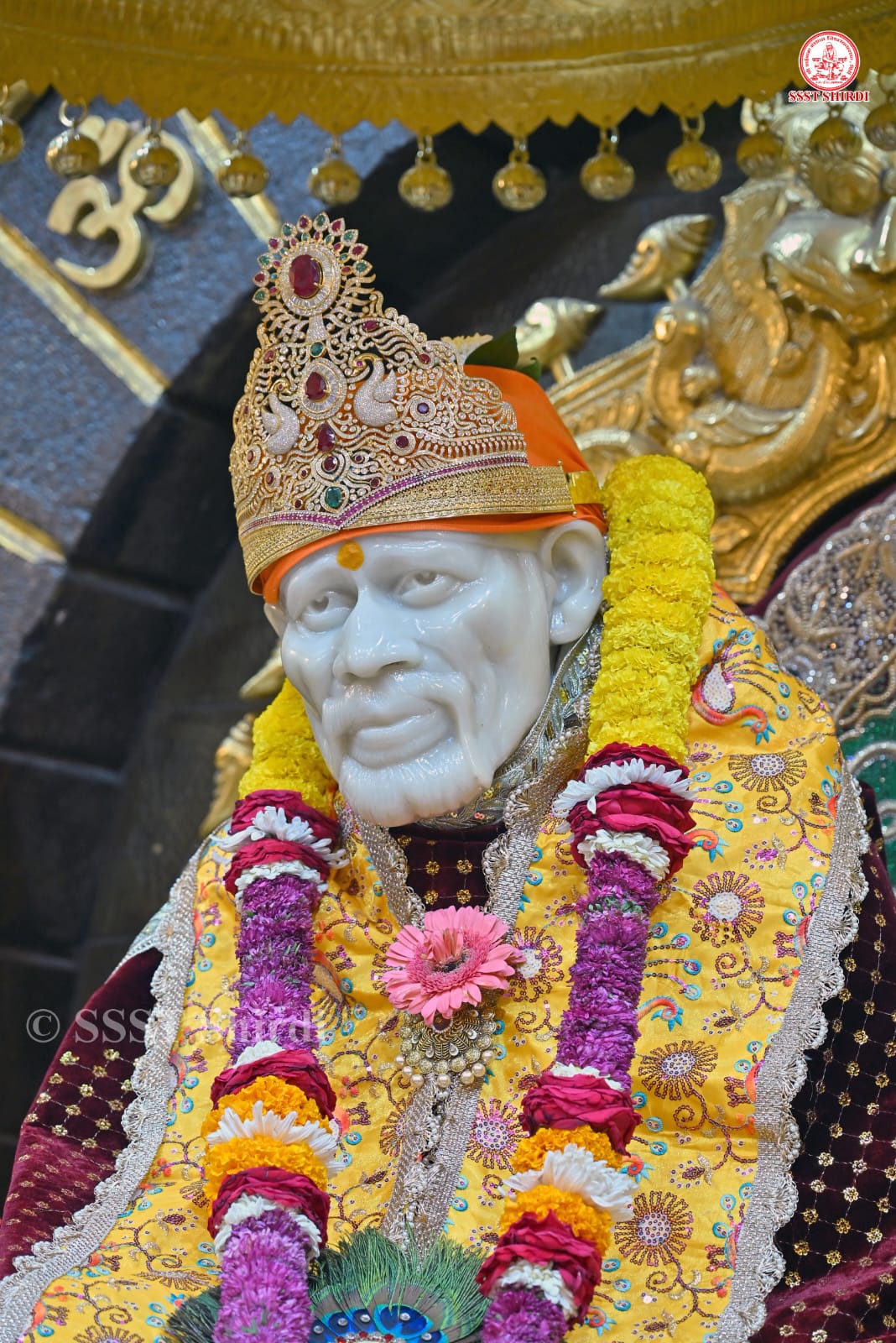
Shirdi Sai Baba vs Sathya Sai Baba: Understanding the Difference helps devotees see how the two saints differ in life, teachings, and worship and devotion.

Who Was Shirdi Sai Baba? Life and Core Teachings

Shirdi Sai Baba lived in the late 19th and early 20th centuries, appearing as a wandering fakir who taught love, tolerance, and service to all. His simple sayings like “Sabka Malik Ek” remind us that one divine presence pervades every being.

Who Was Sathya Sai Baba? Life and Core Teachings

Sathya Sai Baba, born in 1926, claimed to be the reincarnation of Shirdi Sai Baba and emphasized the unity of all religions, encouraging education, health, and selfless service. His famous mantra “Om Sai Ram” is chanted worldwide as a reminder of divine love.

Key Differences in Message and Practices

While both saints speak of universal love, Shirdi Sai Baba’s teachings are rooted in simple devotion, humility, and direct personal experience. Sathya Sai Baba expanded the message with organized charitable projects, a structured ashram system, and a more elaborate liturgy.

How Devotees Honor Each Saint Today

Followers of Shirdi Sai Baba often keep a small shrine at home, offering incense, flowers, and reading the Sai Satcharita. Sathya Sai Baba’s devotees gather in Sai centres, participate in communal meals, and support his education and medical initiatives.

Key takeaways
  • Shirdi Sai Baba and Sathya Sai Baba are distinct personalities with separate histories.
  • Both preach universal love, but their methods of service differ.
  • Devotional practices reflect these differences, from simple home shrines to organized ashrams.

Are Shirdi Sai Baba and Sathya Sai Baba the same person?

Traditional teachings state they are different individuals; Sathya Sai Baba identified himself as a reincarnation, not the same physical being.

What are the main teachings of Shirdi Sai Baba?

His core messages are love for all, faith in the one divine master, and selfless service, expressed in simple sayings and humble acts.

How can I start worshipping Sathya Sai Baba?

Begin by chanting “Om Sai Ram,” reading his discourses, and, if possible, joining a local Sai centre for communal prayer and service.

May the blessings of both saints be with you always. Om Sai Ram.

Recommended for you

Spiritual Books for Beginners

Amazon IndiaAmazon UKAmazon US

As an Amazon Associate I earn from qualifying purchases. Prices and availability may vary.

This is an independent devotional blog and is not affiliated with any temple or trust.

© 2026 Original content written for this blog. Please do not copy or republish it without permission.
Sai Baba for Young Adults: Devotion in the Modern World

Shirdi Sai Baba

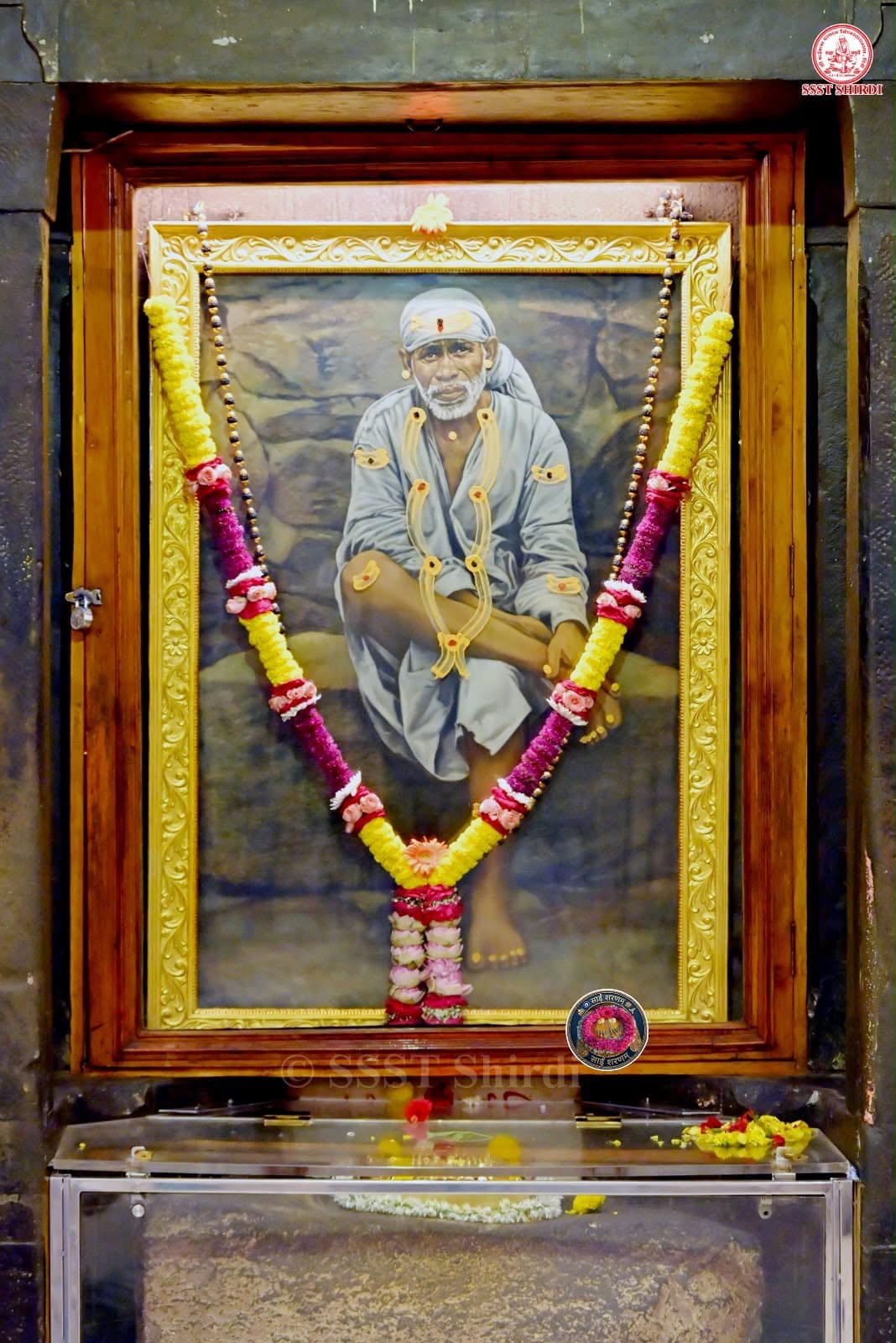
Sai Baba for Young Adults guides modern youth to blend devotion with daily life, offering simple practices, purpose, and inner peace for a balanced journey.

Why Young Adults Turn to Sai Baba

In a fast‑moving world, many young people seek a calm center, and Sai Baba’s message of love, tolerance, and service resonates deeply.

His life exemplifies humility and compassion, qualities that students and early‑career professionals find both inspiring and attainable.

Simple Daily Practices for Youth

A five‑minute morning chant of “Om Sai Namo Namah” can set a positive tone for the day, helping the mind stay focused.

Reading a short passage from the Sai Satcharita or a devotional quote during a coffee break reminds us of the ever‑present guidance of the Master.

Finding Purpose Through Sai Baba Teachings

Sai Baba taught that service to others is the highest form of worship; volunteering or simply helping a classmate becomes a living prayer.

By aligning personal goals with the principle of “Sabka Malik Ek,” young adults discover a purpose that transcends material success.

Building a Supportive Devotional Community

Campus or workplace Sai groups provide a safe space for sharing experiences, chanting together, and celebrating festivals like Sai Baba’s birthday.

Social media platforms now host virtual bhajans and live aartis, allowing young devotees to stay connected regardless of geography.

Key takeaways
  • Short, daily chants keep devotion practical for busy schedules.
  • Service to others turns everyday actions into worship.
  • Community, both offline and online, strengthens the spiritual path.

How can I start a daily Sai Baba meditation as a student?

Choose a quiet corner, light a small incense stick, and repeat the mantra “Om Sai Namo Namah” for five minutes after your first class. Consistency matters more than duration.

What books are recommended for young adults learning about Sai Baba?

The “Sai Satcharita” offers a comprehensive biography, while “Spiritual Books for Beginners” provides easy‑to‑read explanations of his core teachings.

Can I practice Sai Baba devotion while pursuing a career?

Absolutely. Integrate short prayers before meetings, keep a small Sai photo on your desk, and view ethical work decisions as an expression of his guidance.

May the light of Sai guide your steps, bringing love and courage to every challenge. Om Sai Ram

Recommended for you

Spiritual Books for Beginners

Amazon IndiaAmazon UKAmazon US

As an Amazon Associate I earn from qualifying purchases. Prices and availability may vary.

This is an independent devotional blog and is not affiliated with any temple or trust.

© 2026 Original content written for this blog. Please do not copy or republish it without permission.
Sai Baba Life Lessons: Facing Hard Times with Faith and Inner Strength

Shirdi Sai Baba

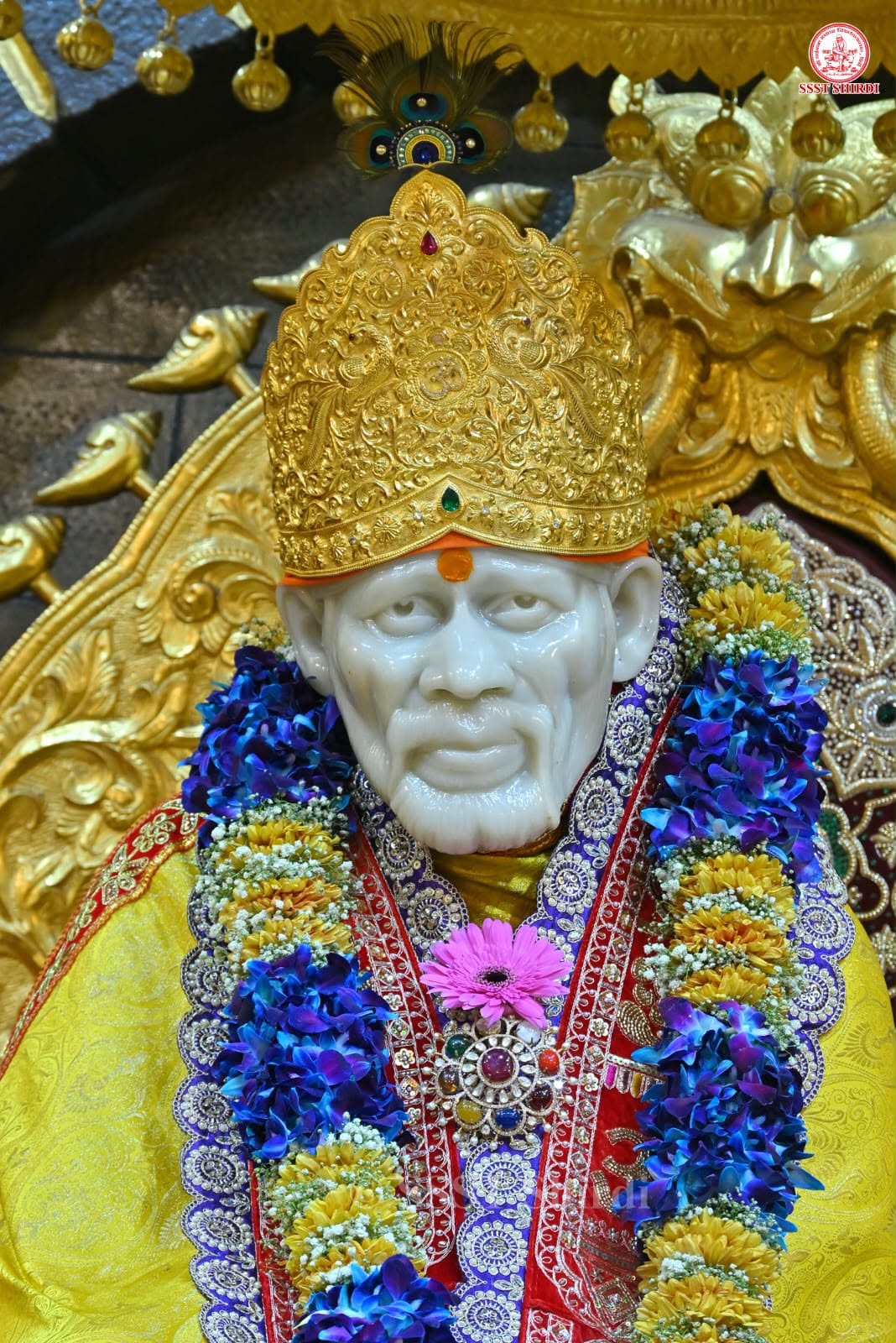
Sai Baba Life Lessons: Facing hard times with faith offers practical guidance to stay calm, trust divine will, and find inner strength during life’s toughest challenges.

Understanding the Purpose of Trials

In Sai Baba’s teachings, difficulties are never random; they are opportunities for the soul to grow. When we encounter loss, illness, or disappointment, the mind often seeks a quick explanation, yet the deeper lesson is patience. By seeing trials as gentle nudges from the Divine, we begin to shift from resistance to acceptance, allowing the heart to open.

Devotees often share that during a storm, the prayer “Om Sai Namo Namah” brings a subtle calm, reminding us that the Almighty is present in every breath. This awareness transforms fear into a quiet confidence that the universe supports us, even when the path seems obscured. Such a perspective does not eliminate pain, but it reframes it as a teacher.

Traditional stories of Sai’s compassion illustrate that he never abandoned a suffering seeker; instead, he offered simple acts of service. By emulating this, we can view our own hardships as chances to serve others, turning personal sorrow into collective upliftment.

Turning Prayer into Action

Prayer at Shirdi is not merely a request for relief; it is a call to align our actions with divine will. When faced with a crisis, lighting a small lamp and chanting Sai’s name can be the first step toward constructive effort.

After the initial prayer, Sai’s followers are encouraged to take practical steps—whether it is seeking medical help, consulting a trusted elder, or simply organizing daily tasks. This blend of devotion and diligence honors the principle that the Divine works through our hands.

A simple routine, such as reciting the Sai Baba Aarti twice a day, creates a rhythm that steadies the mind. The regularity of this practice builds inner resilience, making it easier to face external turbulence with composure.

Cultivating Patience Through Sai’s Teachings

Patience is a recurring theme in Sai Baba’s sermons. He often reminded devotees that “All will happen in its own time,” encouraging us to trust the divine timetable.

Practically, this means observing our thoughts without immediate reaction. When anxiety rises, pause, take a few deep breaths, and repeat the mantra “Sai Ram.” This simple pause creates space for clarity to emerge.

Devotees also keep a small notebook to jot down moments when patience bore fruit—no matter how minor. Revisiting these entries during future hardships reinforces the belief that perseverance is always rewarded.

Building a Supportive Spiritual Routine

A consistent spiritual routine acts like a lighthouse during dark periods. Starting the day with a short reading from the Sai Satcharita or a verse from the Sai Chalisa sets a positive tone.

Midday, a brief offering of fresh flowers or a lit incense stick can serve as a reminder that Sai’s presence is ever‑near. Even a five‑minute meditation on Sai’s compassionate smile can restore emotional balance.

Evening rituals—such as lighting a brass diya, chanting “Om Sai Ram,” and reflecting on the day’s challenges—help release accumulated tension. Over time, this holistic routine becomes a reservoir of strength that we can draw upon whenever life feels overwhelming.

Key takeaways
  • View hardships as opportunities for spiritual growth.
  • Combine sincere prayer with practical action.
  • Develop patience through mindful pauses and mantra repetition.

How can I stay calm when facing hard times?

Begin with a few deep breaths, chant “Sai Ram,” and remind yourself that every difficulty is temporary and serves a higher purpose.

What Sai Baba mantra helps during difficult periods?

The simple mantra “Om Sai Namo Namah” or “Om Sai Ram” is widely used by devotees to invoke calm and divine protection.

Can daily puja help me overcome challenges?

Yes; regular puja creates a steady flow of positive energy, strengthens faith, and provides a structured space to reflect and release stress.

May Sai’s grace guide you through every storm. Om Sai Ram

Recommended for you

Sai Satcharita Book

Amazon IndiaAmazon UKAmazon US

As an Amazon Associate I earn from qualifying purchases. Prices and availability may vary.

This is an independent devotional blog and is not affiliated with any temple or trust.

© 2026 Original content written for this blog. Please do not copy or republish it without permission.
Makar Sankranti with Sai Baba: Blessings & Simple Celebrations

Shirdi Sai Baba

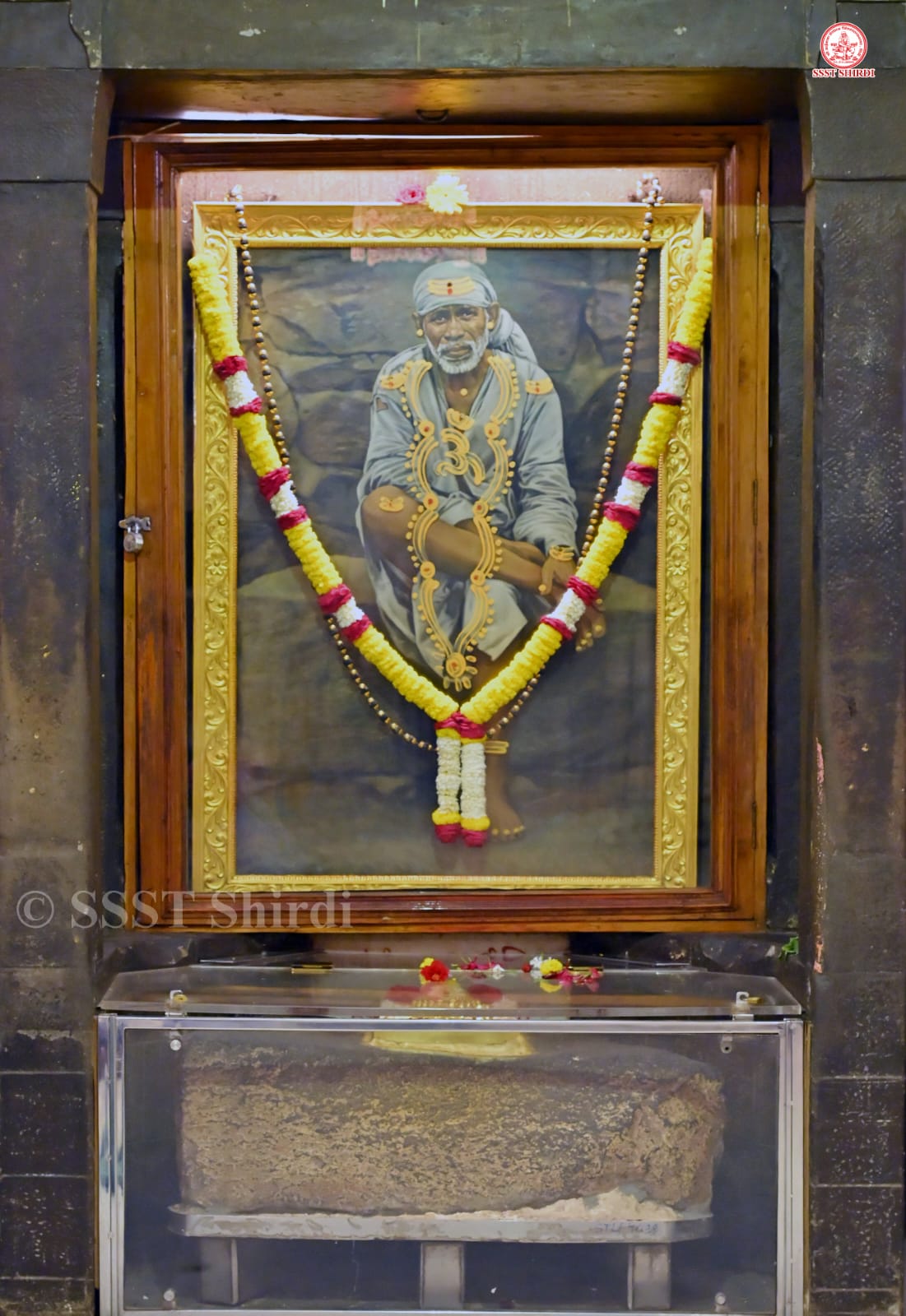
Makar Sankranti with Sai Baba: Blessings & Simple Celebrations offers heartfelt ways to honor the sun, share sweet tilgul, and invoke Sai Baba’s love.

Makar Sankranti: Significance and Sai Baba’s Message

Makar Sankranti marks the sun’s northward journey, a time when daylight grows stronger. Devotees view this transition as a reminder of inner light, a concept dear to Sai Baba who taught that true wisdom shines from within.

Sai Baba often emphasized gratitude for nature’s bounty, urging us to see the divine in every sunrise. On this auspicious day, his teachings inspire us to thank the Creator for the harvest and the warmth that sustains life.

Traditionally, people fly kites, prepare sweet dishes, and donate to the needy. When we align these customs with Sai Baba’s love, the celebrations become an offering of humility and service.

The day also reminds us of the importance of balance—just as the sun balances night and day, Sai Baba taught us to balance material pursuits with spiritual growth.

Traditional Rituals Aligned with Sai Baba’s Teachings

A common Makar Sankranti ritual is the distribution of tilgul (sesame and jaggery sweets). Offering tilgul to friends and family reflects Sai Baba’s emphasis on sharing love without expectation.

Many devotees also take a dip in holy rivers, believing it purifies the body and mind. Sai Baba encouraged cleanliness of heart, and a simple bath at sunrise can become a symbolic act of inner purification.

Lighting a lamp at dawn is another cherished practice. By lighting a diya, we echo Sai Baba’s message that even a small flame can dispel darkness, guiding us toward truth.

Charity, known as ‘daan’, is especially potent on this day. Donating food, clothing, or even a smile aligns with Sai Baba’s belief that self‑less service awakens the divine within us.

Simple Home Puja Ideas for Makar Sankranti

Create a modest altar with a Sai Baba brass idol, a fresh yellow cloth, and a small diya. The color yellow mirrors the sun’s brilliance and invites positivity.

Recite Sai Baba’s simple mantra, “Om Sai Namo Namah,” while offering tilgul on the altar. This short chant focuses the mind and invites the saint’s blessings.

Burn a stick of agarbatti or dhoop to purify the space. The fragrant smoke serves as a reminder of Sai Baba’s teachings that purity of thought leads to pure actions.

Conclude the puja with a heartfelt “Thank you, Sai Baba, for the sun’s light and the harvest’s bounty.” Expressing gratitude transforms a simple ritual into a profound conversation with the divine.

Sharing Joy: Community Service and Sai Baba’s Compassion

Visit a local old age home or shelter and share tilgul with residents. Sai Baba’s compassion for the elderly and the less fortunate inspires us to spread sweetness beyond our own homes.

Organize a kite‑flying event for children in your neighborhood. The joyous laughter mirrors Sai Baba’s belief that happiness shared multiplies.

If possible, contribute to a community fund that provides winter clothing or blankets. The act of giving mirrors the saint’s teaching that true wealth lies in generosity.

Finally, invite friends and relatives for a modest feast, emphasizing simple, wholesome dishes. A shared meal becomes a living sermon of Sai Baba’s message that unity and love are the greatest celebrations.

Key takeaways
  • Celebrate the sun’s journey with gratitude and humility.
  • Blend traditional Makar Sankranti customs with Sai Baba’s teachings of love and service.
  • Simple home puja, sharing tilgul, and community service deepen the festive spirit.

How can I incorporate Sai Baba’s prayers into Makar Sankranti?

Begin your day with a short chant of “Om Sai Namo Namah,” offer tilgul on the altar, and conclude with a heartfelt thank‑you for the sun’s blessings.

What are some Sai Baba bhajans suitable for the festival?

Gentle bhajans like “Sai Baba Bolo” or the soothing “Mere Sai Ki Mahima” create a serene atmosphere while you light the diya and share sweets.

Can I perform a quick Makar Sankranti puja at work?

Yes. Keep a small Sai Baba photo frame on your desk, light a tiny tealight, and recite the mantra once. Even a brief pause honors the day’s spirit.

May the light of Makar Sankranti and the boundless love of Sai Baba illuminate your path. Om Sai Ram.

Recommended for you

Pooja Thali Set

Amazon IndiaAmazon UKAmazon US

As an Amazon Associate I earn from qualifying purchases. Prices and availability may vary.

This is an independent devotional blog and is not affiliated with any temple or trust.

© 2026 Original content written for this blog. Please do not copy or republish it without permission.
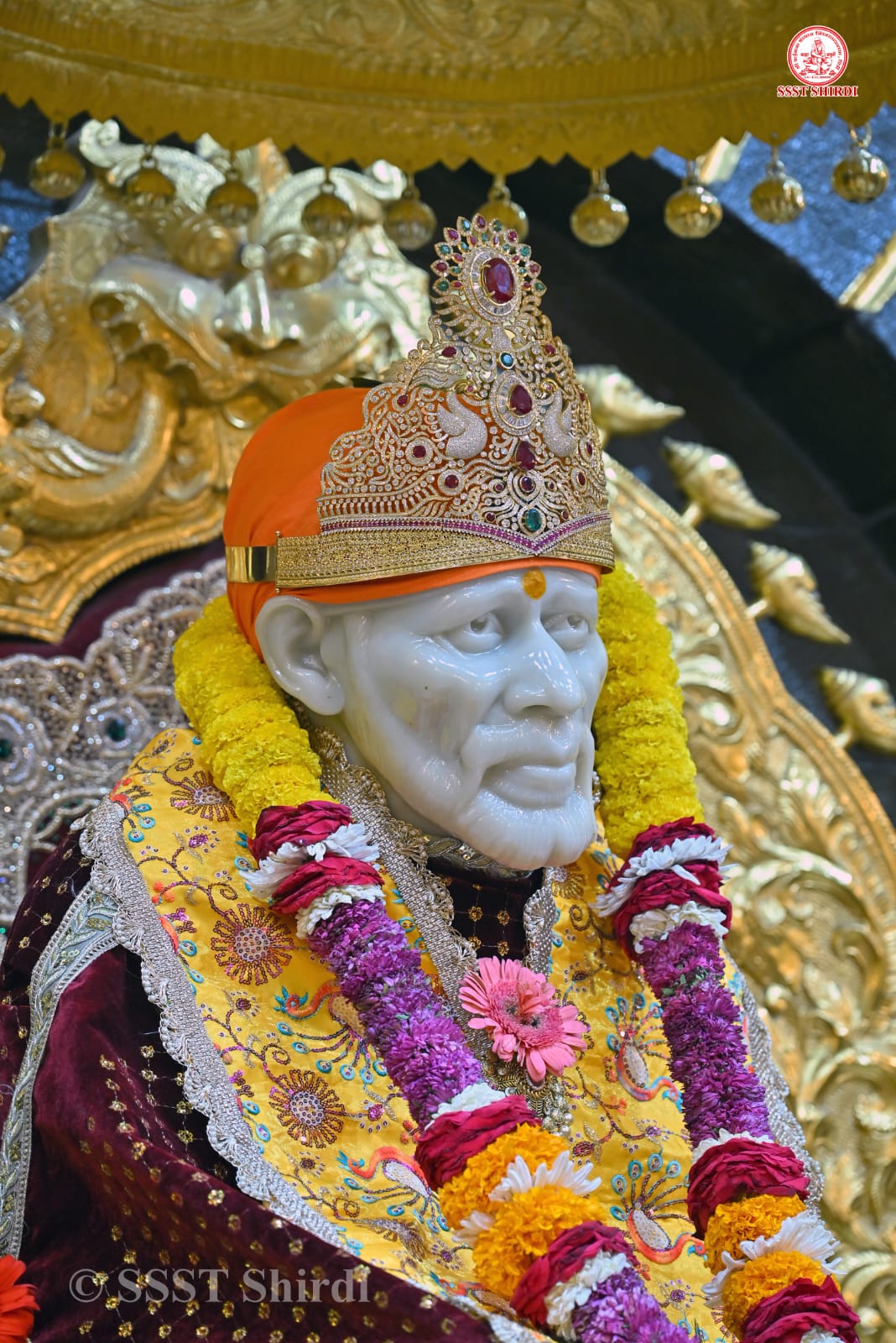
Sai Satcharita Lessons: Early Chapters Teachings for Devotees

Shirdi Sai Baba

Sai Satcharita early chapters reveal timeless lessons on humility, service, and faith, guiding devotees to live with love, patience, and devotion every day.

Compassion for All: The First Lesson

The opening stories describe Sai Baba’s gentle concern for every living being, from a thirsty dog to a grieving widow. He never distinguished between the rich and the poor, showing that true compassion knows no boundaries. Devotees learn that a simple act of kindness, offered without expectation, becomes a powerful prayer. By emulating this attitude, we turn ordinary moments into opportunities for divine service.

Practically, this means looking beyond our daily worries to notice a neighbor’s need, a stray animal, or a colleague’s distress. A smile, a shared meal, or a word of encouragement can echo the compassion taught in those early chapters. When we act with an open heart, we align ourselves with the same love that Baba radiated.

Simple Faith in Everyday Life

Sai Baba’s early miracles often stemmed not from grand rituals but from pure, uncomplicated faith. Whether it was feeding a hungry child or calming a storm, the underlying belief was that the Divine resides in the humble heart. This teaches us that faith need not be elaborate; it merely requires sincerity.

In modern life, we can nurture this simple faith by chanting “Om Sai Namo Namah” with devotion, or by trusting that Baba’s presence guides us through challenges. Even a brief pause for gratitude each morning mirrors the unwavering trust displayed in the Satcharita.

Selfless Service (Seva) as a Spiritual Practice

The early chapters repeatedly highlight Baba’s emphasis on selfless service. He would clean the temple, serve food, and mend clothes without ever seeking recognition. This humility in work teaches that every task, however modest, can become an offering when performed with love.

To bring this into daily routine, devote a few minutes each day to help a family member, volunteer in your community, or simply keep your home tidy as an act of devotion. When service is offered without attachment to results, it transforms ordinary labor into a sacred meditation.

Humility as the Path to Inner Peace

Baba’s life was a living example of humility—he accepted reverence yet lived as a simple mendicant. The early narratives remind us that ego is the greatest obstacle to spiritual growth. By surrendering pride, we open the heart to divine grace.

Practicing humility can start with acknowledging our mistakes, listening more than speaking, and offering thanks for even the smallest blessings. Such small shifts echo the profound humility that the Sai Satcharita celebrates.

Key takeaways
  • Compassion is a daily practice, not a rare act.
  • Faith thrives in simplicity and sincere devotion.
  • Selfless service and humility lead to inner peace.

What are the main teachings of Sai Satcharita early chapters?

The early chapters focus on compassion for all beings, simple and unwavering faith, selfless service without expectation, and humility as the foundation of spiritual life. Each story illustrates how these qualities transform ordinary actions into divine worship.

How can I apply Sai Satcharita lessons in daily life?

Start by offering small acts of kindness, chant a short mantra with sincerity, dedicate routine chores as seva, and practice humility by acknowledging your limitations and expressing gratitude. Consistency in these simple steps brings the teachings alive.

Where can I read Sai Satcharita online?

Many devotional websites and official Shirdi Sai Baba portals provide the complete Sai Satcharita in Hindi, English, and regional languages. Look for reputable sources that respect copyright and present the text accurately.

May the grace of Shirdi Sai Baba illuminate your heart. Om Sai Ram

Recommended for you

Sai Satcharita Book

Amazon IndiaAmazon UKAmazon US

As an Amazon Associate I earn from qualifying purchases. Prices and availability may vary.

This is an independent devotional blog and is not affiliated with any temple or trust.

© 2026 Original content written for this blog. Please do not copy or republish it without permission.
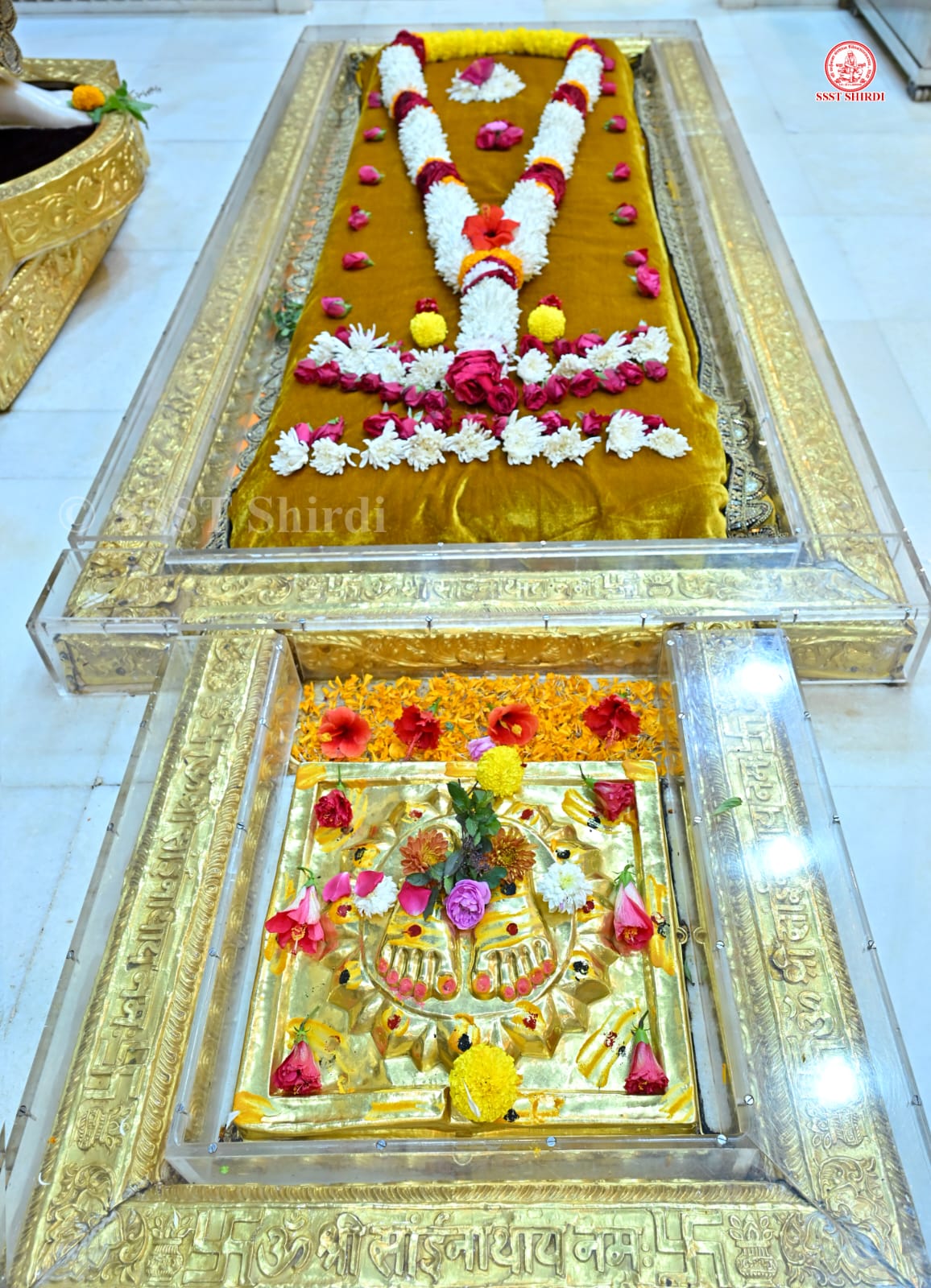
Finding Peace in Daily Life: Sai Baba’s Simple Teachings for Modern Devotees

Shirdi Sai Baba

In the hustle of today’s world, the gentle voice of Shirdi Sai Baba reminds us to pause, breathe, and reconnect with the divine within. His timeless guidance offers a sanctuary of calm that any devotee can bring into everyday routines.

Embrace Faith with Simplicity

Sai Baba taught that true devotion does not require grand gestures; a sincere heart is enough. By trusting in His presence, we can transform ordinary moments into opportunities for spiritual growth.

When challenges arise, recalling his words—"Trust in the Almighty and keep your mind steady"—helps us maintain composure. This simple act of faith becomes a steady anchor amidst life’s storms.

Serve Others as an Offering

Service, or seva, is a cornerstone of Sai Baba’s teachings. Offering a smile, a helping hand, or even a small donation reflects the love he encouraged.

When we serve without expectation, we experience the joy of giving, which in turn deepens our connection with the divine. This practice nurtures humility and compassion, qualities Sai Baba cherished.

Create a Sacred Space at Home

A modest altar can become a focal point for daily prayers and meditation. Placing a Sai Baba idol, lighting incense, and offering a simple thali cultivates reverence.

Consistent rituals, even as brief as a few minutes each morning, align the mind with divine vibrations. This regularity steadies the heart and invites blessings into daily life.

Practice Patience and Contentment

Patience (dhairya) is repeatedly emphasized in Sai Baba’s messages. Accepting life’s timing reduces anxiety and fosters inner peace.

Contentment (santosha) does not mean complacency; it means appreciating what we have while striving for growth. By balancing effort with gratitude, we embody the calm that Sai Baba exemplified.

Key takeaways
  • Simple faith and trust in Sai Baba bring daily peace.
  • Selfless service nurtures compassion and spiritual depth.
  • Creating a modest altar supports consistent devotion.

Recommended for you

Pooja Thali Set

View on Amazon

As an Amazon Associate I earn from qualifying purchases.

How often should I perform daily prayers?

Even a short, sincere prayer in the morning and evening can be profoundly effective. Consistency matters more than length.

Can I use a simple altar without a formal idol?

Yes, a picture or a small representation of Sai Baba suffices. The intention behind the offering is what truly matters.

What is the best way to cultivate patience?

Regular meditation, reading Sai Baba’s teachings, and reflecting on the impermanence of situations help develop patience over time.

May the blessings of Shirdi Sai Baba fill your heart with serenity and love. Om Sai Ram

Embracing Sai Baba’s Compassion: Daily Practices & Home Altar Guidance

Shirdi Sai Baba

In the gentle glow of Sai Baba’s teachings, every devotee finds a path toward love, humility, and service. Today we explore practical ways to weave his timeless wisdom into our daily routines and to create a sacred corner at home that constantly reminds us of his presence.

Understanding Sai Baba’s Message of Compassion

Sai Baba emphasized that true spirituality begins with a compassionate heart. He often said, “Love all, serve all,” urging us to see the divine spark in every being.

Compassion, for Baba, is not merely an emotion but an active service. Whether feeding the hungry, comforting the sorrowful, or simply offering a smile, each act becomes a prayer when performed with sincerity.

By internalizing this simple yet profound principle, we align ourselves with the universal rhythm of love that Baba taught, making every moment a chance to serve.

Integrating Sai Baba’s Teachings into Daily Life

Begin each morning with a short meditation on Baba’s mantra, “Om Sai Ram.” Even a minute of focused breathing can set a tone of gratitude for the day ahead.

Incorporate small acts of kindness: offering a seat to an elder, sharing a meal, or listening patiently. These gestures echo Baba’s call to serve without expectation.

When challenges arise, recall Baba’s reassurance that “All is well.” Trusting this promise steadies the mind and nurtures inner peace.

Creating a Sacred Space at Home

A dedicated altar becomes a visual reminder of Sai Baba’s presence. Choose a quiet corner, clean it, and place a brass idol of Baba as the focal point.

Arrange a Pooja Thali set with a small lamp, incense holder, and a bowl of water. The simple ritual of lighting the lamp each evening symbolizes the illumination of the soul.

Offer fresh flowers, fruits, or sweets on the thali. These offerings are expressions of love, not transactions, and they invite the divine energy to permeate the household.

Practices to Deepen Your Connection

Recite Sai Baba’s bhajans or read passages from “Sai Satcharitra” aloud. The vibrations of his name and stories awaken devotion within the heart.

Light Agarbatti incense during your prayers. The fragrant smoke creates a serene atmosphere, helping the mind settle into contemplation.

Maintain a gratitude journal, noting moments when you felt Baba’s guidance. Reflecting on these experiences reinforces faith and encourages continuous growth.

Key takeaways
  • Compassion is the core of Sai Baba’s teachings.
  • Simple daily practices keep you aligned with his message.
  • A home altar with a proper thali set enhances devotion.

Recommended for you

Pooja Thali Set

View on Amazon

As an Amazon Associate I earn from qualifying purchases.

How often should I perform Sai Baba puja?

Daily puja, even if brief, helps maintain a steady connection. Many devotees light a lamp and chant “Om Sai Ram” each morning and evening.

Can I offer Sai Baba incense without a physical idol?

Yes. The essence of worship lies in devotion, not the material form. Lighting incense while focusing on Baba’s name creates a sincere offering.

What is the significance of lighting a lamp during Sai Baba worship?

The lamp represents divine light dispelling darkness of ignorance. When it burns, it reminds us of Sai Baba’s guidance illuminating our path.

May the blessings of Sai Baba fill your heart with love, peace, and unwavering faith. Om Sai Ram